
انتشار: 29 آبان 1403
بروزرسانی: 12 خرداد 1404
Among all trees, crabapples stand out by offering stunning beauty year-round—they truly are perfect for every season.
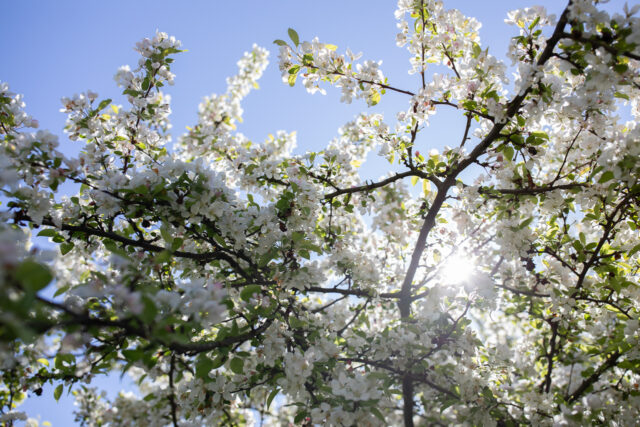 Each spring, their plump buds burst into an airy cloud of fragrant blooms. When the petals begin to fall and are scattered by the wind, it gives the garden a snowy feel. By June, the branches brim with tiny fruits ideal for floral arrangements or admiring in place.
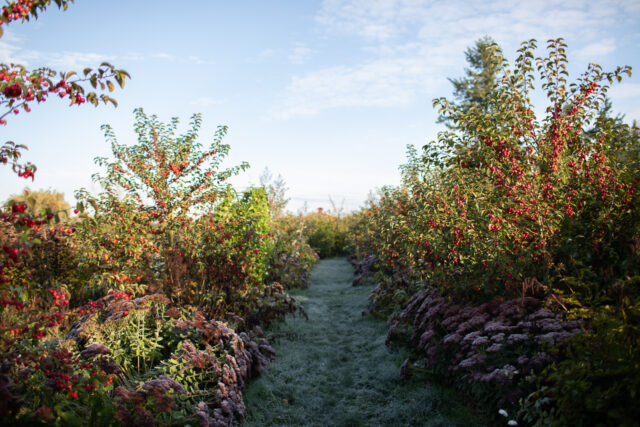 As summer wanes, the fruit matures, and with autumn, the leaves transform into a vivid kaleidoscope. In winter, their bare branches present a striking silhouette, and the remaining fruit supports local wildlife and songbirds during the coldest months.
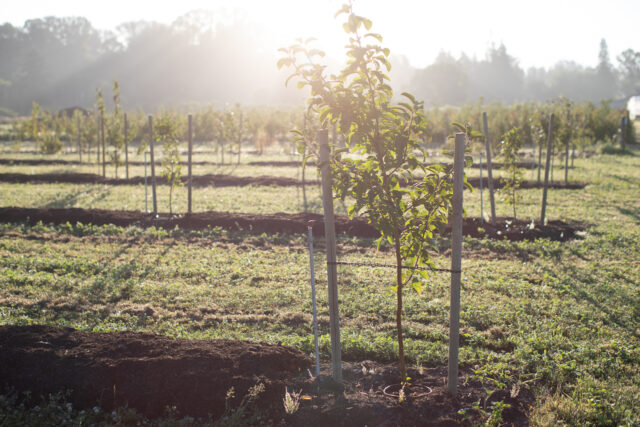 My affection for these trees grows with every season, so I cultivate as many new varieties as I can find on the farm. Currently, we have over 94 cultivars comprising nearly 300 trees! To see our complete collection, including sources, scroll to the bottom and enter your email address.
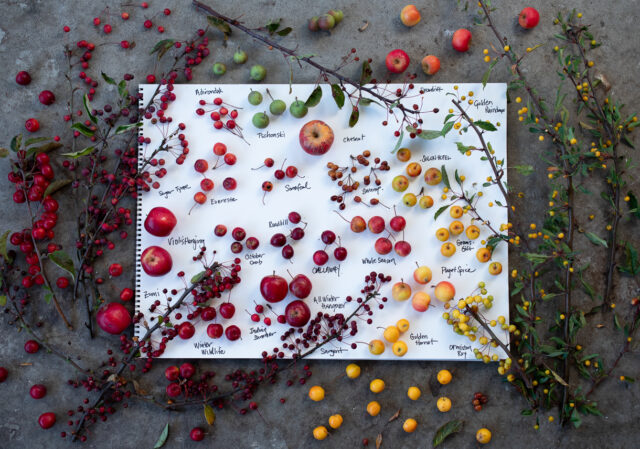 Most of our crabapple trees are still young, so it’s early to determine which varieties will excel both ornamentally and culinarily—for cider, jellies, baking, or fresh eating. As the trees mature, I’ll share more insights. Below are a few of my favorites so far.
‘Chestnut’
These vigorous, healthy trees grow quickly and flower early. They bear small fruit roughly the size of a golf ball, cherished by everyone, especially our visiting children. The flavor is mild, slightly tart, excellent fresh, reminiscent of applesauce. ‘Chestnut’ is among the first crabapples to ripen.
‘Dolgo’
Planted about 15 years ago in our backyard, this variety continues to impress. It has a sprawling form, with lovely blush buds and creamy flowers in spring. The oblong fruit ripens in August, boasting a delightful flavor perfect fresh or cooked.
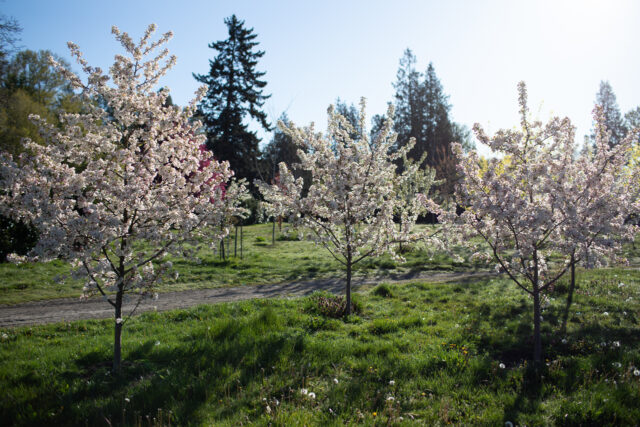 ‘Evereste’ (pictured above)
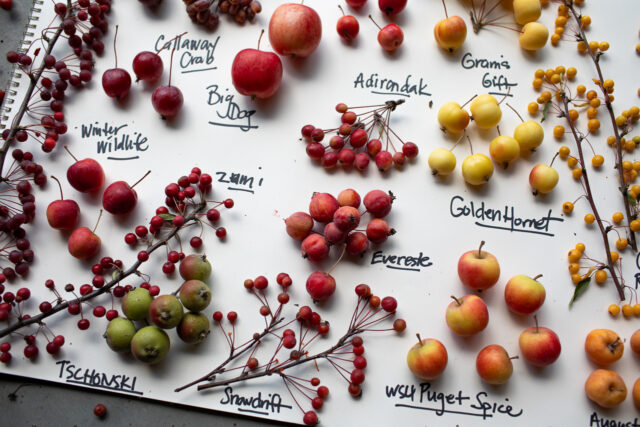
If I had to pick only one crabapple, this would be it! The trees remain a manageable size, about 12 feet tall, ideal for smaller gardens. Every April, they are covered in fragrant, creamy, double blooms that last for weeks. Marble-sized fruit appear in June, gradually coloring by July—from green with a blush, to orange, then ruby red in autumn. I frequently cut fruiting branches for bouquets. The fruit stays firmly attached, making handling easy. The flavor is very tart and slightly astringent but fully ripened fruit is fantastic for sauces or cider.
‘Golden Hornet’
After years of searching, I finally found this popular English variety. The trees are robust and productive at a young age. The marble-sized apples glow bright yellow and ripen early. I’ve only tasted them past peak when the flesh softens, but suspect early-picked fruit would be excellent cooked.
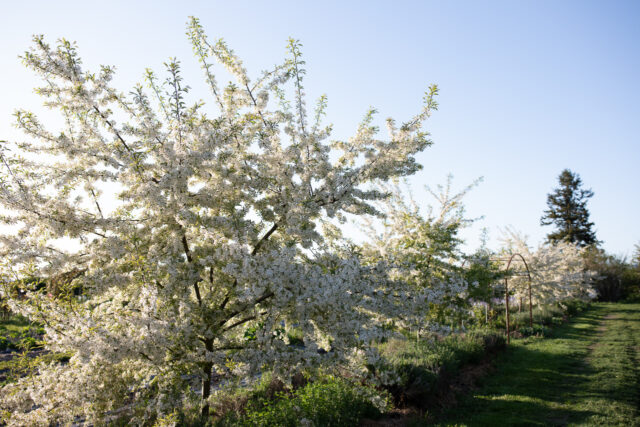 ‘Golden Raindrops’ (pictured above)
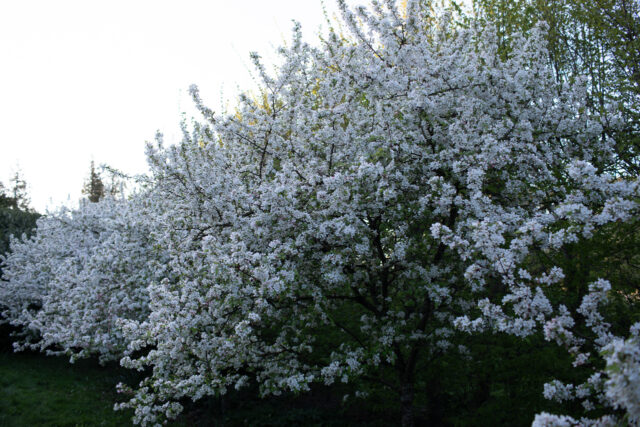
One of the most stunning crabapples we cultivate, this vigorous tree grows large and presents a spectacular spring display. Its long, slender branches grow horizontally giving it a rounded form. It flowers last among our crabapples, bursting with thousands of fragrant, creamy star-shaped blossoms that attract buzzing bees. The maple-shaped leaves turn vibrant gold in autumn before dropping to reveal small yellow fruit beads that, though too small and sour to eat, are loved by wildlife and songbirds.
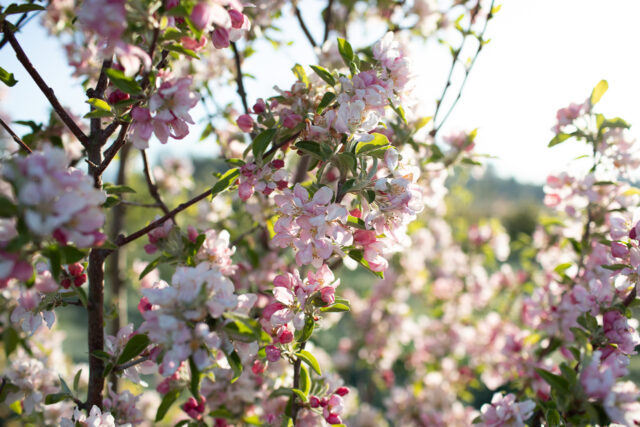 ‘Puget Spice’ (pictured above)
Bred locally at Washington State University, this disease-resistant variety features compact, upright trees making it an excellent choice for streets or tight spaces. It blooms late with soft pink blossoms carrying a gentle scent. The fruit, slightly larger than cherries, has a bright, tart flavor perfect for cider or jelly. We enjoy them fresh but prefer them cooked.
‘Sargent’
This charming variety blooms each spring with compact, tidy trees, perfect for small yards. It’s a favorite for cut flowers, with long slender branches adorned by tiny peachy-blush buds opening into creamy miniature flowers. Bees are fond of it too! The small cranberry-red fruit ripens early and is not edible but is highly attractive to wildlife.
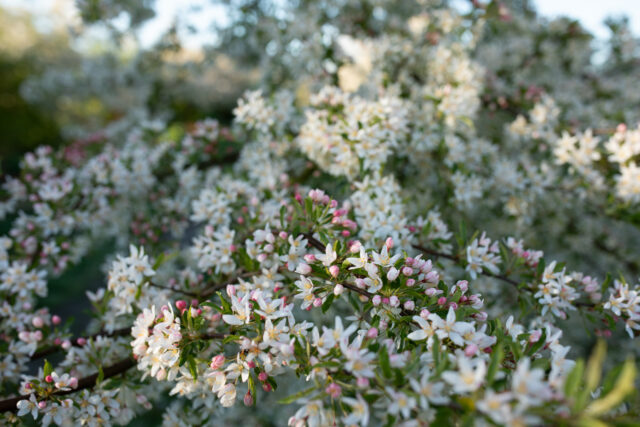 Our crabapple collection includes several special Sweetmeat Crab
 varieties developed by Albert Etter around the turn of the century. These are small dessert/cider apples renowned for their intense, rich flavor packed into a compact size.
After Albert’s death in 1950, his experimental orchard fell into neglect until Ram and Marissa Fishman of Greenmantle Nursery dedicated themselves to preserving his trees and breeding legacy. They offered both named and trial varieties for many years. Sadly, Ram passed away recently, nearly causing these trees to be lost again. Fortunately, Trees of Antiquity has since included them in their catalog to preserve them for future generations.
Though I haven’t tasted these varieties yet, I’ve spent nearly a decade learning their stories and awaiting their availability. We now maintain 50 of Etter’s varieties—including the Sweetmeat and red-fleshed Rosetta hybrids—in our orchard. I’ll share more when the trees fruit.
Greenmantle Nursery’s website has excellent articles about Albert Etter that make perfect winter reading. After exploring his story and work, you won’t resist adding one of his varieties to your garden!
FAVORITE SOURCES
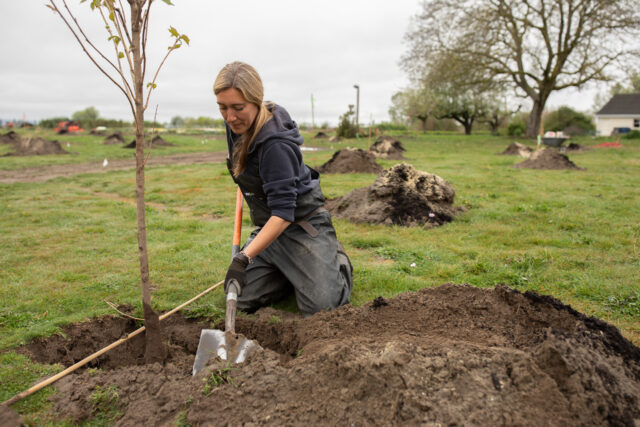
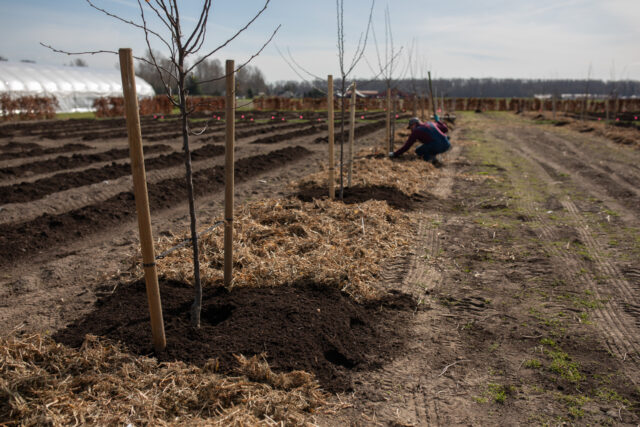
If you want to plant crabapples in your garden or farm, here are some of our top tree sources. Late fall to early winter is ideal to pre-order for the widest selection. Bare root trees usually ship in early spring, from March to May depending on your location. Don’t forget to check local nurseries, too; many have bare root fruit trees in winter at more affordable prices than potted ones.
 Mail-Order Nurseries
Blue Hill Wildlife Nursery
While searching for new crabapples, I discovered this unique Pennsylvania mail-order nursery specializing in fruit varieties that attract whitetail deer—quite an unusual niche! Owner Ryan Haines has cultivated a diverse collection for over 20 years featuring prolific, disease-resistant, cold-hardy, flavorful, and easy-to-grow trees. Alongside standard fruit and nut trees, their crabapples and applecrabs stand out. Some tree names like ‘Deer Candy’, ‘Road Kill’, and ‘Lockdown’ add a touch of humor. The nursery sells trees once annually in fall, so use the alert feature and mark your calendar—these sell out fast.
Burnt Ridge Nursery & Orchards
This family-owned farm in Onalaska, Washington specializes in Northwest native plants, fruit, nut trees, and a broad assortment of ornamental fruiting and flowering trees and shrubs. I’ve trusted this nursery for two decades and always receive fantastic quality.
Cummins Nursery
Based in New York, this small nursery ships thousands of fruit trees each year. Their diverse selection includes stone fruits, cherries, pears, and many apple varieties—from red flesh to heirlooms and cider apples—as well as a dozen crabapple types. Every order I’ve placed has been excellent; their motto is “fruit trees for everyone.”
Fedco Seeds
From Maine, this longstanding nursery specializes in varieties suited for cold climates. Along with seeds, bulbs, and supplies, they offer a great range of fruiting plants and trees. I’ve sourced several heirlooms and nearly a dozen crabapples here. Their bare root trees arrive small but grow quickly once planted.
 Orange Pippin Fruit Trees
Orange Pippin carries over a dozen excellent crabapple cultivars, including the uncommon ‘Golden Hornet’ in the U.S. I’ve been pleased with the quality of their trees.
Raintree Nursery
Located in Morton, Washington, this nursery offers an incredible array of fruit and nut trees, unusual edibles, and berries—all selected to flourish in the Pacific Northwest. They also feature native plants, ornamentals, shrubs, and vines.
St. Lawrence Nurseries
One of my favorites, based in Potsdam, New York, offering a remarkable variety of fruit trees grown in a harsh zone 3 climate—ensuring survival in tough conditions. Their motto is “cold hardy plants for cold hardy people.” Owners Connor and Allyssa use organic, regenerative methods and hand-tend all their stock. Don’t miss their printed catalog—full of stories, art, and vivid descriptions—sign up via their mailing list (email [email protected]). It’s a lovely keepsake and sure to become a collector’s item.
Trees of Antiquity
This cherished mail-order nursery has supplied heirloom fruit trees nationwide for over 40 years, boasting an unmatched selection of 200 historical apple varieties this season—including many Sweetmeat and Rosetta varieties bred by Albert Etter. Searching “Etter” on their site reveals these rare treasures. Their commitment to preservation and organic certification impresses me, and I’m eager to add more of their trees to our farm.
 Local Western Washington Nurseries
Biringer Nursery
Located in the Skagit Valley, Biringer Nursery has grown flowering ornamentals and a diverse fruit tree assortment for wholesale since the 1970s. Though sometimes hard to reach by phone, their selection of French lilacs and crabapples is one of the region’s best.
Christianson’s Nursery
A must-visit if you’re near Skagit Valley, this family-run nursery excels in specialty perennials, annuals, shrubs, and trees, plus the largest garden rose collection in the state. Bring your checkbook and plan to enjoy a long visit!
Clark’s Native Trees
Based in Arlington, Washington, Clark’s specializes in native trees and shrubs of western Washington. You can pick up plants at their nursery or arrange delivery for large orders. We planted a substantial native hedge from Clark’s stock that has thrived beautifully.
(activecampaign)
If you know a favorite crabapple variety or source, please share it in the comments below—I’d love to hear from you.
Note: Comments may not appear immediately; we use a spam filter requiring approval prior to publication.
Floret only features companies and products we genuinely love, use, and recommend. All opinions are our own. We don’t accept sponsored content or payment for reviews. If you purchase products through links in this post, Floret may earn a small commission. Thank you for supporting us!
این مطلب با عنوان Crabapples: A Tree for All Seasons ابتدا در Floret Flowers منتشر شده است.